 Member state · EU since 1995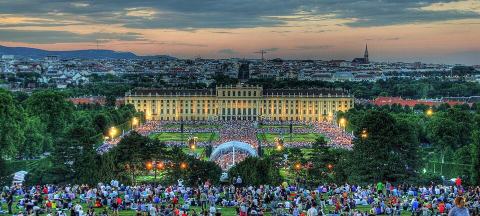
The story
For six centuries the Habsburgs ran much of Europe from Austria, collecting crowns through marriage rather than war, as the family motto joked. Their empire dissolved in 1918, leaving a small alpine republic with an imperial capital several sizes too grand for it. Annexed by Hitler in 1938, restored in 1945, Austria declared permanent neutrality in 1955 and turned that status into a diplomatic career: Vienna today hosts the UN, OPEC, and the OSCE.
The people
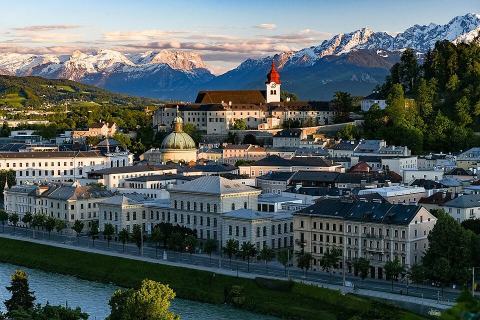
Austrians blend alpine practicality with imperial politesse. Titles matter, coffee is drunk slowly, and the Kaffeehaus is legally close to a cultural institution. Nine in ten Austrians live within sight of mountains, and the national relationship with skiing borders on religious. The country gave the world Mozart, Freud, Klimt, and, as locals like to note, convinced everyone Beethoven was Austrian and Hitler was German.
The economy
A wealthy social market economy built on precision machinery, steel, chemicals, and tourism, with GDP per head among the EU's highest. Winter tourism alone rivals whole industries: the Alps host some 50 million ski visits a year. Vienna consistently tops global quality of life rankings, helped by vast public housing the city has run for a century.
Traveling there
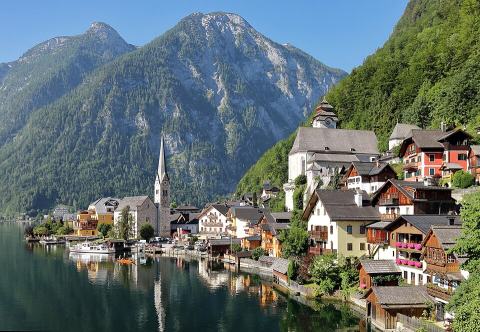
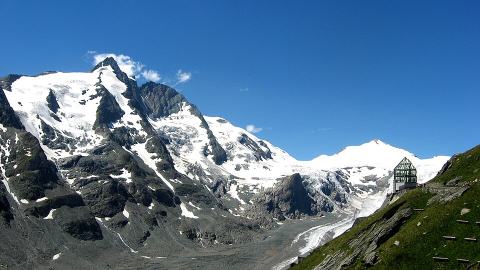
Vienna and Salzburg carry the imperial and musical headlines, but the Alps are half the story: the lake district of Salzkammergut, Innsbruck's peaks, and wine villages along the Danube. Trains are excellent and the Nightjet network makes Vienna Europe's sleeper train hub.
Cities to visit
What's on
Hundreds of formal balls, from the Opera Ball to the Coffee Brewers' Ball.
A century of world-class opera and Mozart in his own hometown.
Mulled wine and wooden chalets from Vienna to Strasbourg, Europe at its coziest.