 Member state · EU since 1952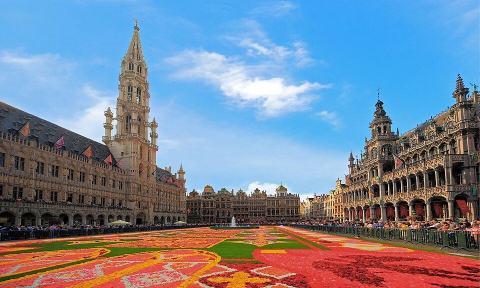
The story
Belgium is young as a state (born 1830, from a revolution that started at the opera) but ancient as a crossroads: Bruges and Antwerp bankrolled medieval Europe, and its fields hosted everyone else's battles, from Waterloo to Flanders in 1914. That history of being fought over made Belgians instinctive Europeans: Brussels helped found the EU and now hosts its institutions plus NATO.
The people
Two main communities share the country: Dutch-speaking Flanders in the north, French-speaking Wallonia in the south, plus a small German-speaking east and a fiercely bilingual Brussels. The federal arrangement is famously complicated (Belgium once went 541 days without a government and mostly ran fine), but the shared loves are clear: beer brewed by monks, chocolate taken seriously, comics as high art, and cycling as religion.
The economy
A logistics and services powerhouse: Antwerp is Europe's second port and the world's diamond hub, and Belgian pharma and chemicals punch far above the country's size. Being the EU's administrative capital brings a huge international workforce and Europe's densest concentration of lobbyists, diplomats, and journalists.
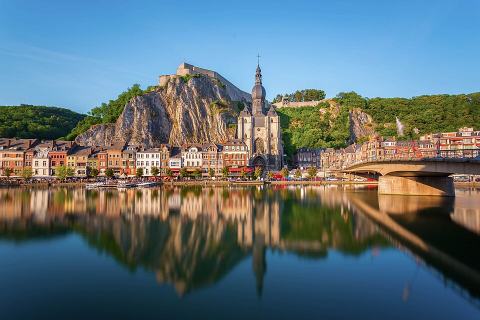
Traveling there
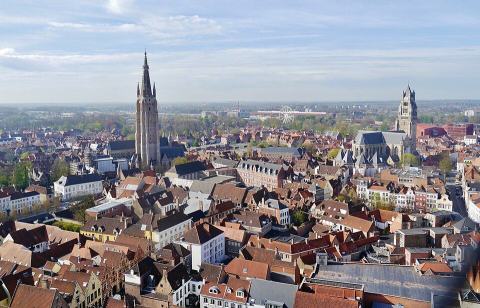
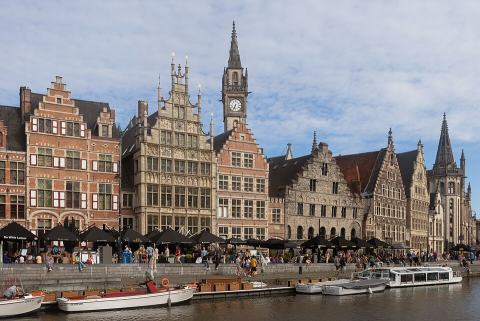
Brussels for the Grand Place and museums, Bruges for the medieval canals, Ghent for the same beauty with fewer crowds, Antwerp for fashion and Rubens. Distances are tiny: the whole country fits in a two-hour train ride, so base anywhere.
Cities to visit
What's on
Ghent hands its entire city centre to ten days of free music and street theatre.
The world's most theatrical electronic music festival, in the town of Boom.