 Member state · EU since 2004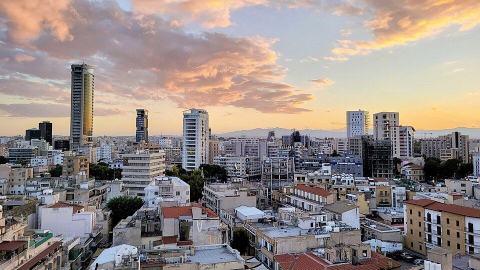
The story
Aphrodite's island has been claimed by nearly everyone: Mycenaeans, Phoenicians, Egyptians, Persians, Alexander, Rome, Byzantium, Crusaders, Venice, the Ottomans, and Britain, whose rule ended in 1960. Independence broke down in intercommunal conflict; since 1974 the island has been divided, with the Republic of Cyprus (EU member) in the south and a Turkish-occupied north recognised only by Ankara. Nicosia remains the world's last divided capital.
The people
Greek Cypriots and Turkish Cypriots share more than the politics suggests: coffee drunk slow and sweet, halloumi and hellim (same cheese, two names), meze that outlasts the evening, and a diaspora larger than the island's population. Family is everything, English is nearly universal, and the pace of life follows the heat: slow at noon, alive at midnight.
The economy
Services dominate: shipping (one of the EU's largest registries), tourism, and financial services rebuilt after the 2013 banking crisis. The sun helps everything: 340 days of it a year powers both the tourist economy and one of Europe's highest solar water heating rates.
Traveling there
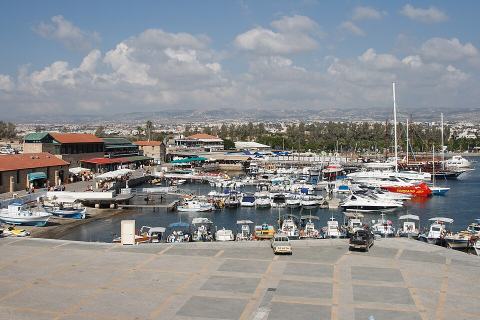
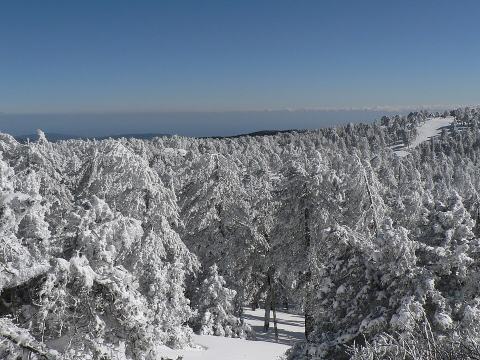
Nicosia for the divided-city history, Paphos for mosaics and Aphrodite's beaches, the Troodos mountains for painted Byzantine churches and wine villages. Crossing the Green Line on foot in Nicosia is legal with a passport and quietly unforgettable.
Cities to visit