 Member state · EU since 2004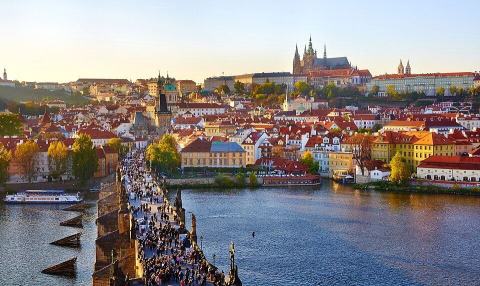
The story
The Kingdom of Bohemia was a medieval heavyweight whose capital, under Emperor Charles IV, briefly led the Holy Roman Empire. The 1618 Defenestration of Prague started the Thirty Years War; three centuries of Habsburg rule followed. Czechoslovakia (1918) was interwar Europe's model democracy, then endured Nazi occupation and communism, shed both in the Velvet Revolution of 1989, and split amicably from Slovakia in 1993, a divorce so smooth it is taught as the counterexample.
The people
Czechs are Europe's most enthusiastic beer drinkers (roughly double the German rate per head) and among its most secular people, yet they fill baroque churches as concert halls nightly. The national temperament runs dry and ironic; the national heroes are a writer (Havel), a composer (Dvořák), and a fictional soldier (Švejk) who defeats authority by obeying it stupidly.
The economy
A manufacturing powerhouse: Czechia makes more cars per person than nearly anyone (Škoda since 1905), plus machine tools, electronics, and famously, most of the world's contact lens supply share from Ostrava. Unemployment is regularly the EU's lowest.
Traveling there
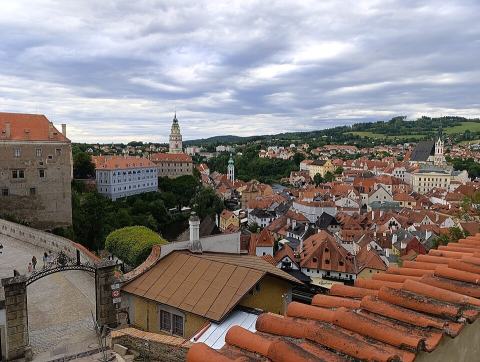
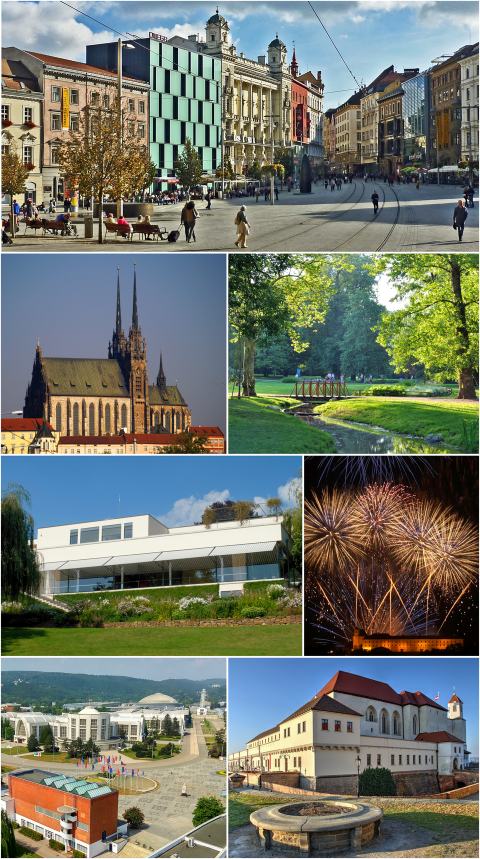
Prague deserves its fame, but Czechia rewards leaving it: Český Krumlov's castle bends around a river loop, Brno has functionalist architecture and nightlife without tourists, and Pilsen and České Budějovice are pilgrimage sites for anyone who drinks lager.
Cities to visit