 Member state · EU since 2004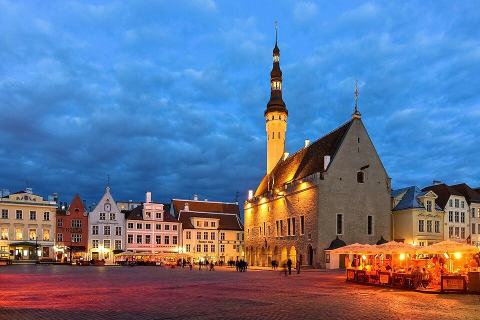
The story
Estonians endured seven centuries of Danish, German, Swedish, and Russian masters between short bursts of freedom, keeping their language and song tradition intact throughout. Independent from 1918, occupied by the Soviets in 1940, they sang their way out in the late 1980s: the Singing Revolution climaxed with two million Balts holding hands across three countries. Since 1991 Estonia has run one of history's most successful reinventions.
The people
A famously reserved, forest-minded people (small talk is considered suspicious, saunas are considered essential) who happen to be the world's most digital citizens: Estonians vote, bank, sign, and found companies online, and the state holds no paper. The song festival every five years, with a choir of tens of thousands, is the national soul made audible.
The economy
Skype was written here, and the startup habit stuck: Estonia mints more unicorns per capita than anywhere in Europe (Wise, Bolt, Playtech). E-residency lets foreigners run EU companies remotely. Timber, electronics, and IT services anchor the traditional side.
Traveling there
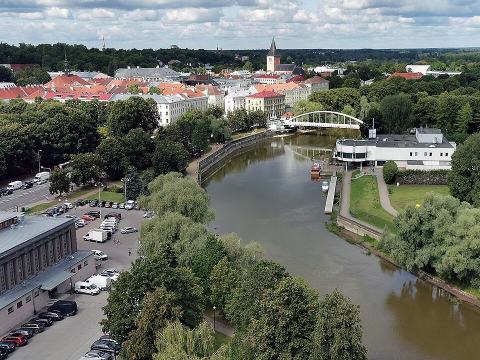
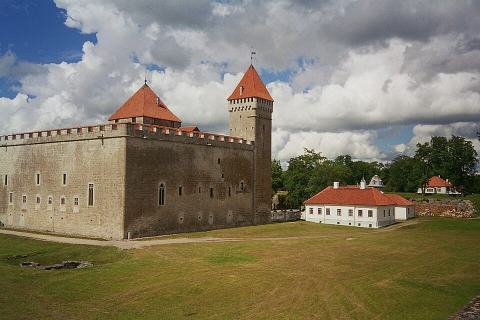
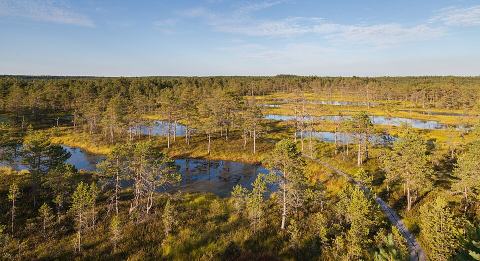
Tallinn's old town is the best preserved in northern Europe, and the e-country contrast (medieval walls, digital everything) is half the charm. Beyond: Lahemaa's bogs and manor houses, Tartu's university buzz, and Saaremaa island's windmills and quiet.
Cities to visit
What's on
A fairy-tale market on a medieval square, often under real snow.