 Member state · EU since 1952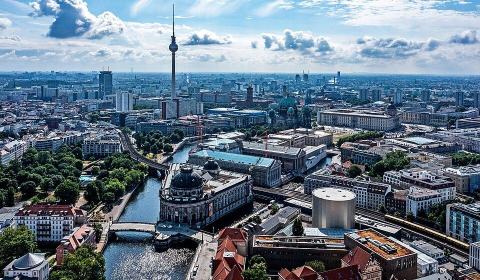
The story
A thousand years as a patchwork of kingdoms and free cities (the Holy Roman Empire, neither holy nor Roman nor an empire, as Voltaire said), unified only in 1871. The catastrophic first half of the twentieth century ended in division; the Wall fell in 1989 and reunification in 1990 completed Europe's happiest ending. Modern Germany co-founded the EU explicitly to bind itself into peace, and remembrance culture (Vergangenheitsbewältigung) is built into the national fabric.
The people
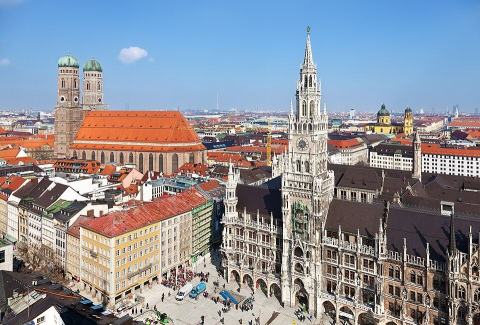
Germans are federal to the bone: sixteen states, strong regional identities (Bavaria considers itself practically a country), and no single dominant city, which is why Berlin, Munich, Hamburg, and Cologne all feel like different nations. Shared traits: punctuality as courtesy, directness as honesty, bread as heritage (3,000 registered varieties), and Vereine (clubs) for absolutely everything.
The economy
Europe's largest economy runs on the Mittelstand, thousands of family-owned world leaders in niches nobody thinks about, plus the car industry (VW, BMW, Mercedes), chemicals, and machinery. Exports approach half of GDP, an extraordinary share for a large country.
Traveling there
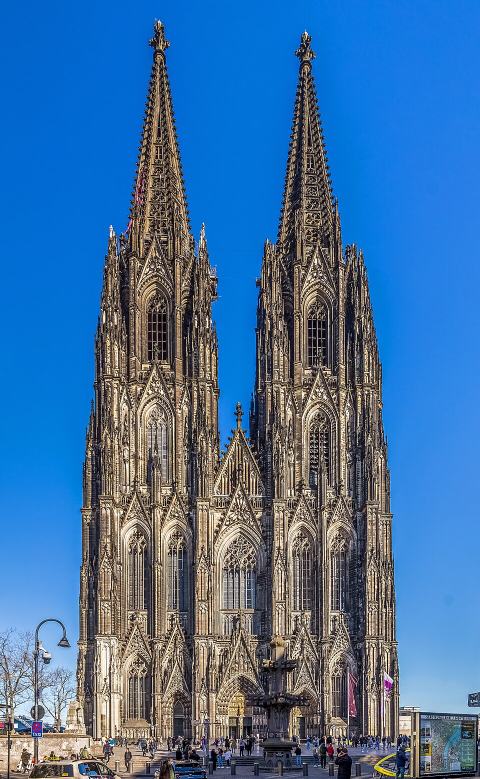
Berlin for history and nightlife, Munich for beer gardens and the Alps, the Rhine for castles, Hamburg for harbour cool. Trains connect it all densely, and the €58 Deutschlandticket covers every regional train and bus in the country for a month.
Cities to visit
Beyond the cities
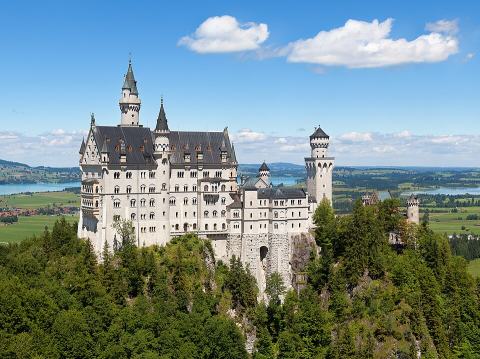
Mad King Ludwig's fairy-tale castle in the Bavarian Alps, the one Disney borrowed. Turrets, alpine gorges, and a bridge with the best view in Germany.
~2h from Munich by train to Füssen + bus. Book the timed castle tour online well ahead; the Marienbrücke bridge view is free.
What's on
Six million visitors, seventeen days, one giant cheer: the world's biggest folk festival.
Germany's biggest open-air party, fireworks over the Gate.