 Member state · EU since 2004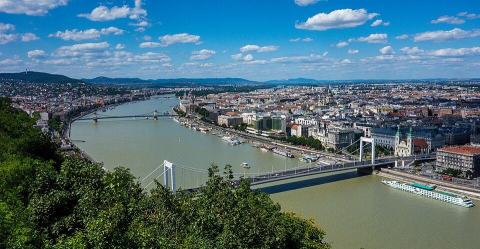
The story
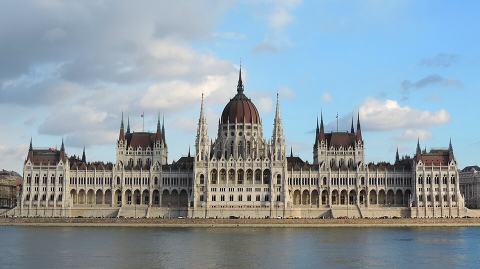
The Magyars rode out of the steppes in 895 and never left; their language remains gloriously unrelated to nearly everything around it. Saint Stephen took the crown in 1000; the Ottomans took the middle of the country for 150 years; the Habsburgs took the rest, until the 1867 Compromise made Budapest an imperial co-capital and built its golden age. The 1956 uprising against Soviet rule was crushed but never forgotten; 1989 opened the border that unravelled the Iron Curtain.
The people
Hungarians will tell you, correctly, that their language is among Europe's hardest and their inventions among its most used: the Rubik's cube, the biro, holography, vitamin C's isolation. The culture prizes melancholy done beautifully (the word is bús), thermal bathing as social life, and paprika in nearly everything.
The economy
An industrial economy deeply wired into German supply chains: cars (Audi's largest engine plant, BMW, Mercedes) and now Asian battery plants make Hungary an electromobility hub. Pharma and agriculture (Tokaj wine, foie gras) continue older traditions. The forint endures; euro adoption remains politically parked.
Traveling there
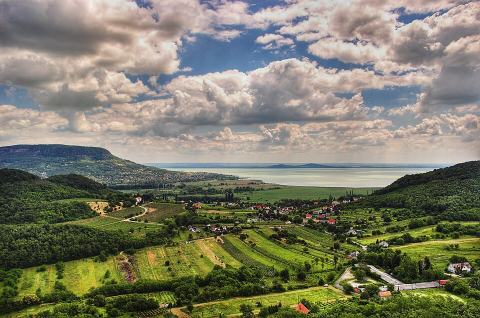
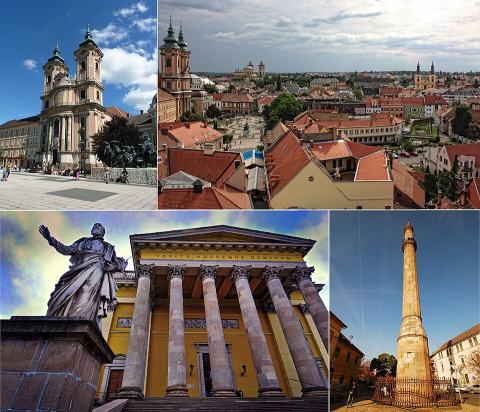
Budapest is one of Europe's great capitals: thermal baths, ruin bars, and the Danube panorama. Beyond it, Lake Balaton is central Europe's beach, Eger and Tokaj pour historic wines, and the Great Plain keeps Magyar horse culture alive.
Cities to visit
What's on
A week-long 'Island of Freedom' on the Danube with a thousand acts.