 Member state · EU since 2007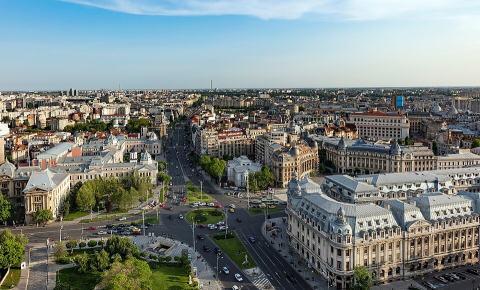
The story
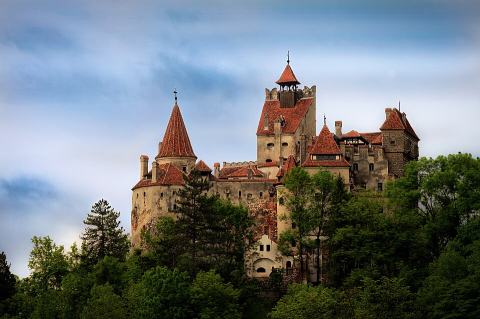
Roman Dacia gave Romania its Latin language, an island of Romance in a Slavic sea. The medieval principalities produced Vlad the Impaler (Bram Stoker did the rest) and Transylvania's fortified Saxon towns. Unification came in 1918; communism arrived hard and ended hardest, with the 1989 revolution the bloc's only violent one. EU membership in 2007 and full Schengen entry in 2025 completed the westward turn.
The people
Romanians are Latin in temperament and Orthodox in faith, a combination visitors find warmly confusing. Hospitality is aggressive in the best way (refusing seconds is a negotiation), the countryside keeps genuine peasant traditions alive (haystacks, horse carts, painted monasteries), and the diaspora is among Europe's largest, with millions working westward and returning ideas.
The economy
The EU's fastest growing IT sector per capita (Bucharest and Cluj are serious tech hubs, and Romanians famously staff half of Europe's cybersecurity), plus Dacia's budget cars, agriculture, and energy from Black Sea gas. Growth leads the EU regularly; the leu persists for now.
Traveling there
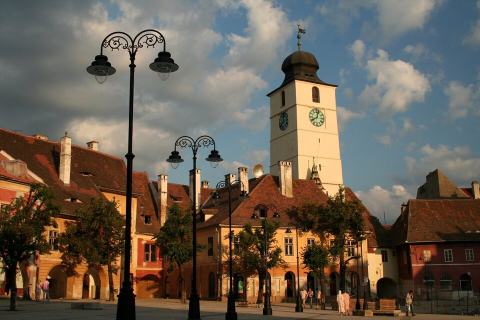
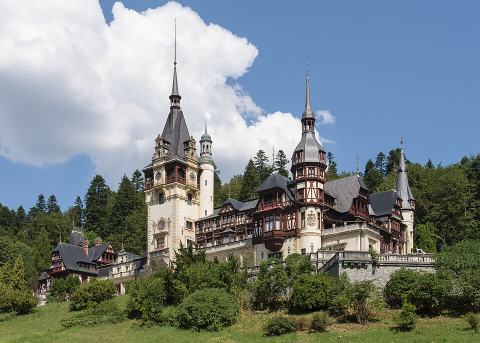
Bucharest's contrasts, then Transylvania: Brașov, Sibiu, and Sighișoara's Saxon citadels, castles at Bran and Peleș, and the Carpathians, home to Europe's largest brown bear population. The painted monasteries of Bucovina and the Danube Delta's bird world round out a country still refreshingly under-touristed.
Cities to visit
What's on
One of Europe's great classical music festivals, the world's top orchestras descend on Bucharest for a month, in odd-numbered years.