 Member state · EU since 2004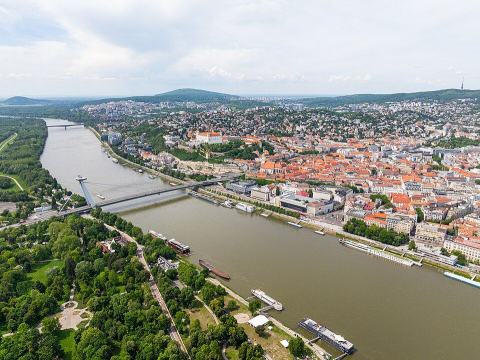
The story
Slavs settled the Danube bend in the 6th century; Great Moravia flowered briefly before a thousand years inside the Kingdom of Hungary, with Bratislava (then Pressburg) serving as Hungary's coronation city while the Ottomans held Budapest. Czechoslovakia's creation in 1918 gave Slovaks a hyphen, the Velvet Divorce of 1993 gave them a state, and 2004 brought the EU, with the euro following in 2009, before Czechia ever adopted it.
The people
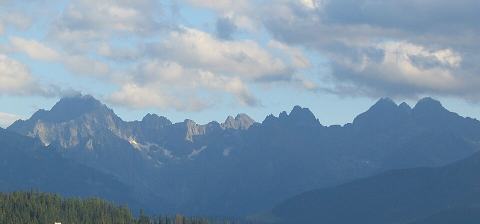
Slovaks are mountain people at heart: the High Tatras are the national icon, folklore (painted villages, wooden churches, fujara flutes) is living culture rather than museum matter, and sheep cheese (bryndza) fuels the national dish. The temperament runs quieter and more rural than the Czech cousin, with fierce pride in the distinction.
The economy
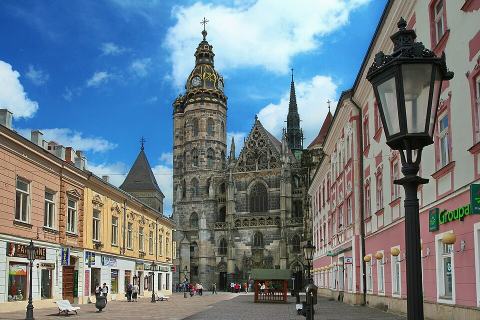
The world's largest car producer per capita: Volkswagen, Kia, Stellantis, and Jaguar Land Rover plants make roughly one million vehicles a year in a country of five million. Engineering depth from the Austro-Hungarian era persists, and Bratislava's proximity to Vienna (60 km) creates a cross-border economic zone.
Traveling there
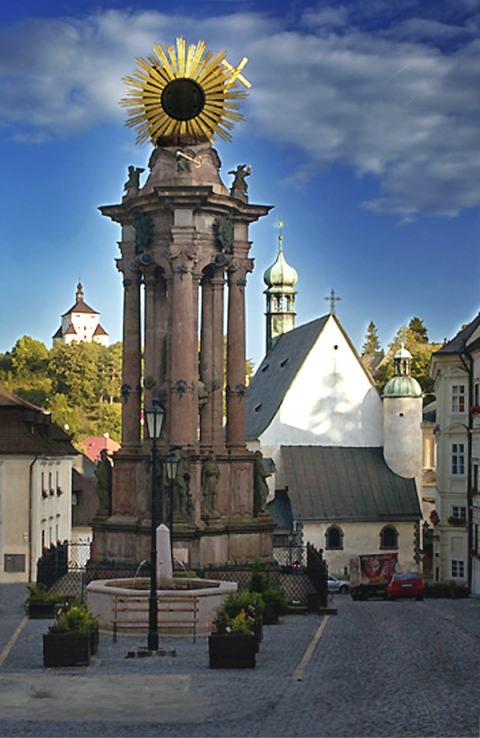
Bratislava's compact old town suits a day trip from Vienna, but the country's best is east: the High Tatras' granite peaks, Spiš Castle (one of Europe's largest ruins), the wooden churches of the north, and Slovak Paradise's ladder-and-gorge hikes.
Cities to visit