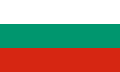
 Member state · EU since 2007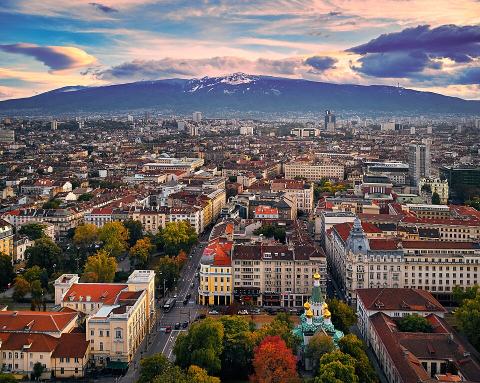
The story
Founded in 681, Bulgaria is one of Europe's oldest states and the birthplace of the Cyrillic alphabet, developed by disciples of Saints Cyril and Methodius and later exported across the Slavic world. A medieval empire twice rivalled Byzantium before five centuries of Ottoman rule. Liberation came in 1878, communism in 1944, democracy in 1989, the EU in 2007, and the euro in 2026, closing the lev's 147-year run.
The people
Bulgarians famously shake their heads for yes and nod for no, a survival, legend claims, of resisting conversion at swordpoint. The culture blends Slavic, Orthodox, and Ottoman inheritances: rose oil harvests in the Valley of Roses, banitsa pastry for breakfast, and rakia distilled in every village. The population is among Europe's fastest shrinking, which makes the young, tech-minded energy of Sofia and Plovdiv feel all the more striking.
The economy
The EU's lowest cost of living pairs with a fast-growing IT and outsourcing sector: Bulgaria taxes income at a flat 10 percent, among the Union's lowest. Rose oil (most of the world's supply), wine, and yogurt cultured with a bacterium literally named for the country round out the exports.
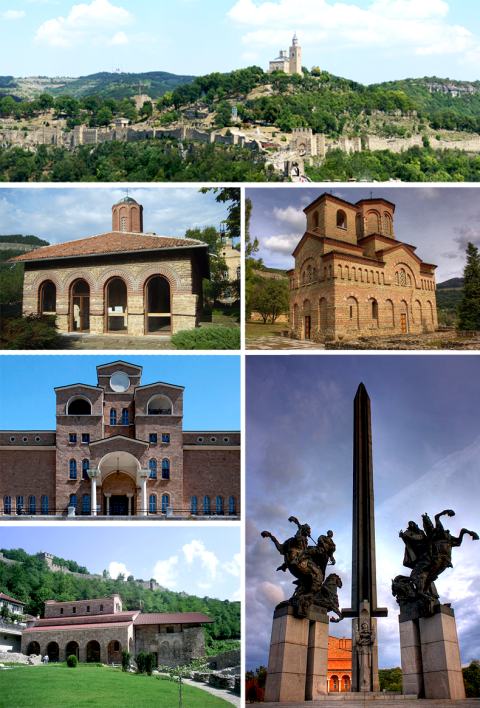
Traveling there
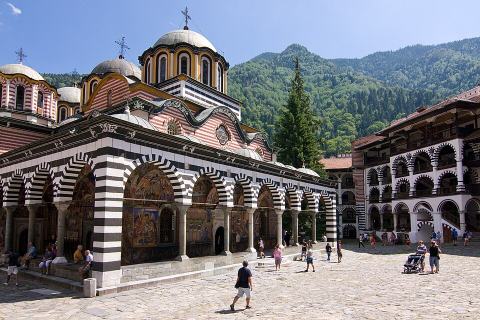
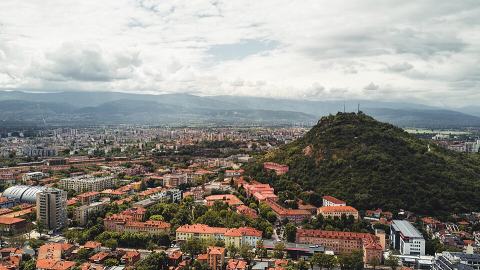
Sofia gives you Roman ruins in the metro and a mountain tram ride away. Plovdiv's old town and Roman theatre, Rila Monastery's frescoes, and Black Sea beaches at half western prices complete the picture. Your euro goes further here than almost anywhere in the Union.
Cities to visit
What's on
Thousands of dancers in monstrous masks and cowbells chase away evil spirits in Pernik, near Sofia, the Balkans' biggest masquerade.