 Member state · EU since 1973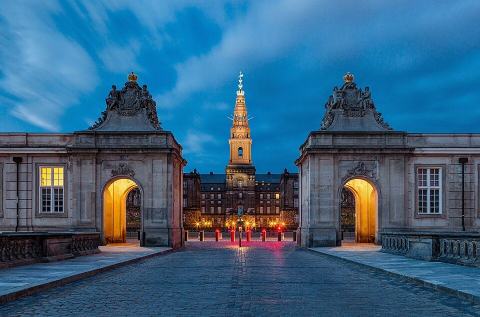
The story
The Danes were the Vikings who took England (Cnut ruled both), and their monarchy is Europe's oldest, tracing to Gorm the Old around 936. A medieval Baltic empire shrank over centuries of lost wars with Sweden and Prussia until Denmark reinvented smallness as strength: cooperative farming, early welfare, design excellence. Occupied gently then resistant in WWII, Danes famously ferried most of their Jewish population to safety in Sweden in 1943.
The people
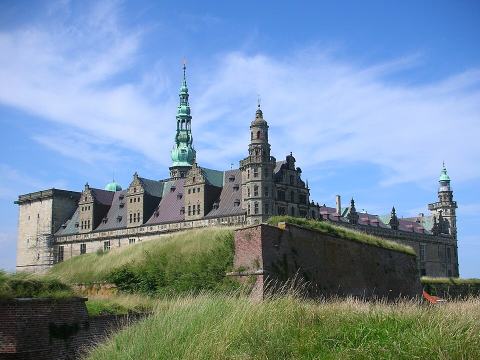
Danes run on tillid (trust) and hygge (untranslatable cosiness): babies nap unattended in prams outside cafés, tax rates are accepted as club dues, and the country tops happiness rankings so often it has become a national in-joke. Cycling is not a sport but a transport system: Copenhagen counts more bikes than cars in the centre.
The economy
A small economy with giant companies: Maersk moves a fifth of world container trade, Novo Nordisk's diabetes and obesity drugs made it Europe's most valuable firm, Lego outsells every rival, and Vestas turbines and Carlsberg complete the set. Wind supplies roughly half of Danish electricity.
Traveling there
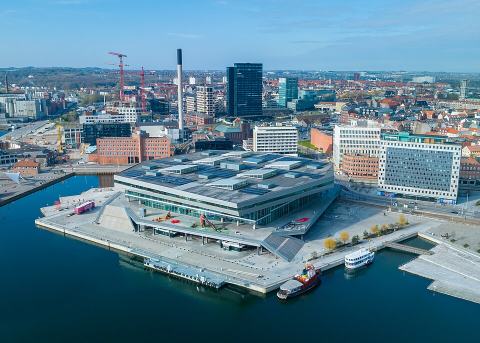
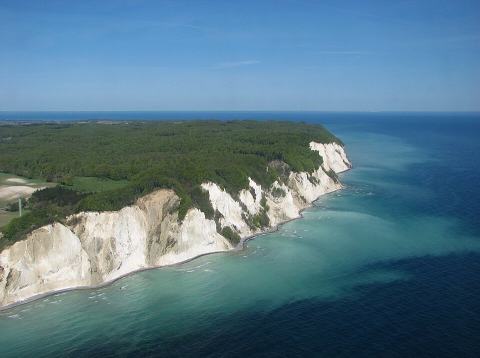
Copenhagen is the draw: Tivoli, the harbour baths, and the world's densest concentration of good restaurants per krone. Beyond it, Roskilde's Viking ships, Aarhus's rainbow art museum, and Legoland for anyone travelling with (or as) a child.
Cities to visit
What's on
Northern Europe's biggest music festival, a short hop from Copenhagen.