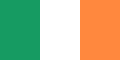
 Member state · EU since 1973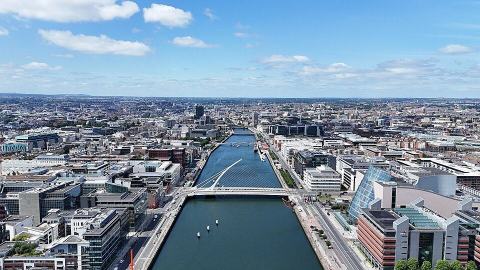
The story
Saints and scholars kept literacy alive in monasteries while Rome's world collapsed; eight centuries of English rule followed, marked by plantation, penal laws, and the Famine of the 1840s, which halved the population through death and emigration. The 1916 Rising led to independence for 26 counties in 1922. EU membership in 1973 transformed Ireland from Europe's poor margin to one of its wealthiest members within a generation.
The people
The Irish gift is language: four Nobel literature laureates from one small island, plus the world's best conversationalists in every pub. The diaspora (some 70 million claim Irish descent) makes the country globally larger than its census. Craic (the news, the fun, the night) is the social currency; music sessions still start unplanned.
The economy
The Celtic Tiger economy runs on foreign direct investment: virtually every US tech and pharma giant runs European operations from Ireland, drawn by talent, English, and famously low corporate tax. GDP per head is consequently among the world's highest, even if locals note much of it belongs to the multinationals.
Traveling there
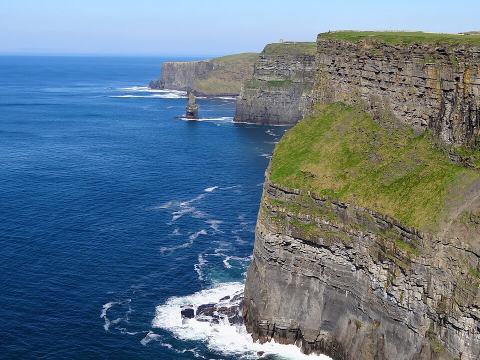
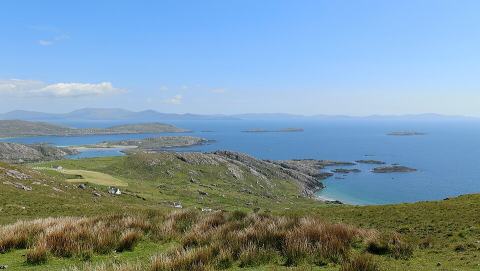
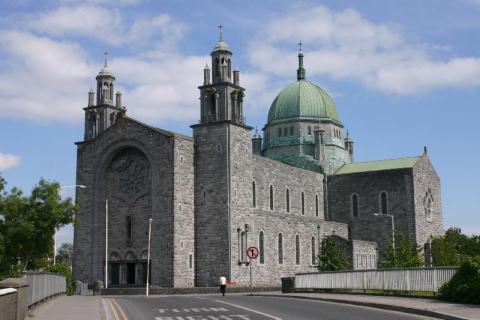
Dublin for Trinity, pubs, and Georgian squares; then west: the Cliffs of Moher, Galway's music, the Ring of Kerry, and the wild Atlantic coast that gives the driving route its name. Note: Ireland is in the EU but not Schengen, so it stamps its own passports.
Cities to visit
Beyond the cities
Two hundred meters of sheer Atlantic drama, eight kilometers long, with puffins in spring and Aran Islands on the horizon.
Day tours run from Dublin (~3h each way) or base yourself in Galway. Walk the clifftop trail toward Hag's Head to lose the crowds.
What's on
Five days of parades, céilís, and green everything across the Irish capital.