 Member state · EU since 2004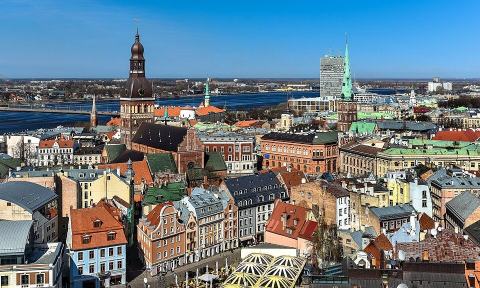
The story
Riga was founded by German crusader bishops in 1201 and grew Hanseatic-rich; Latvians themselves spent seven centuries under German landlords, Swedish kings, and Russian tsars. First independence (1918) ended in Soviet occupation (1940) with mass deportations to Siberia. The Singing Revolution and the Baltic Way human chain brought freedom in 1991; EU and NATO membership in 2004 anchored it westward for good.
The people
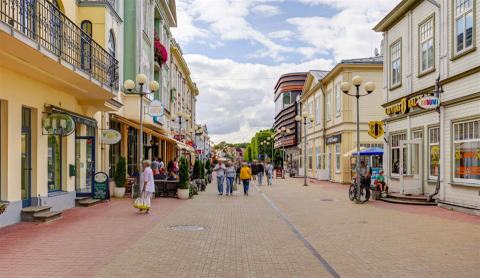
Latvians keep one foot in the forest: mushroom and berry picking are near-universal skills, midsummer (Jāņi) empties the cities for bonfires and flower crowns, and the song and dance festival musters a choir of tens of thousands. The temperament is reserved, ironic, and quietly proud of a language that, with Lithuanian, is the closest living relative of ancient Indo-European.
The economy
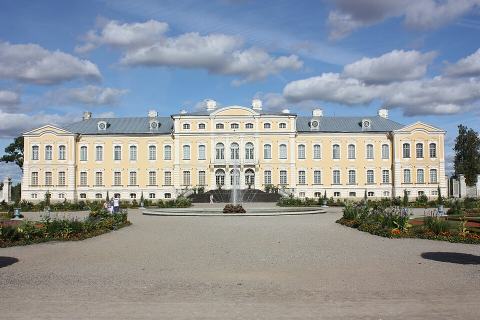
Riga is the Baltics' financial and logistics centre, its ice-free port a historic asset. Timber, machinery, and a growing fintech and IT sector (plus, famously, a strong tradition in producing top-tier hockey players and opera singers per capita) drive a fast-converging economy.
Traveling there
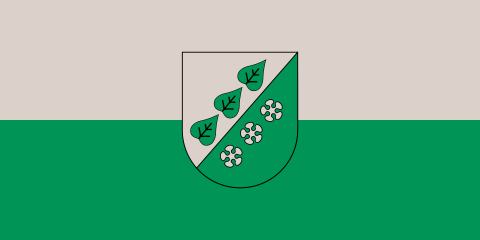
Riga owns Europe's finest Art Nouveau streets and a market housed in Zeppelin hangars; Jūrmala's beach is 25 minutes away, Gauja National Park's castles an hour. Cheap, walkable, and refreshingly uncrowded.
Cities to visit