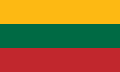
 Member state · EU since 2004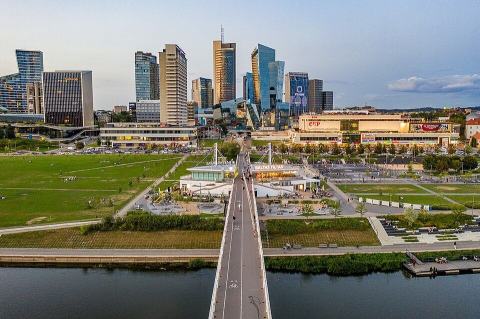
The story
Medieval Lithuania was Europe's largest state, a Grand Duchy stretching to the Black Sea that later joined Poland in a two-nation commonwealth. Partitioned away by Russia in 1795, it kept its identity through book smugglers who ran the banned Lithuanian press across the border. It declared independence first among Soviet republics (March 1990) and faced down tanks at the TV tower in January 1991; thirteen died defending the broadcast.
The people
The last pagan nation in Europe (converted only in 1387) still weaves oak wreaths and celebrates solstices with pre-Christian enthusiasm. Basketball is the second religion (a country of under three million regularly beats giants), and the culture prizes stubborn endurance: the Hill of Crosses, planted and replanted each time occupiers bulldozed it, says everything.
The economy
The Baltics' largest economy runs on lasers (a world leader, supplying NASA and CERN), fintech (Europe's biggest licensing hub after Brexit), furniture, and food. Vilnius's startup quarter and Kaunas's industry drive some of the EU's fastest growth.
Traveling there
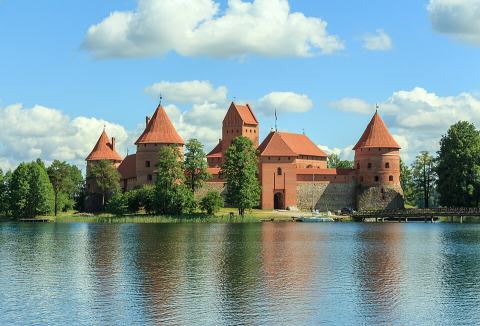
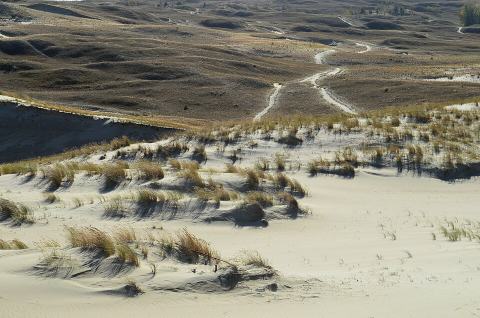
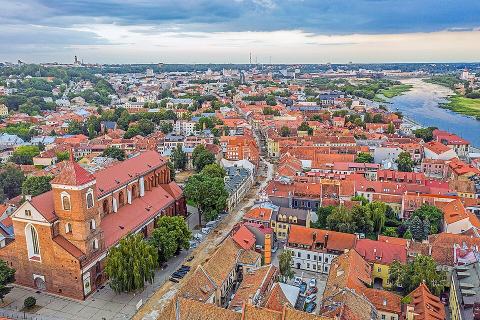
Vilnius offers baroque lanes, the self-declared Republic of Užupis, and Trakai's island castle nearby. The Curonian Spit, a ribbon of giant dunes between lagoon and sea shared with Kaliningrad, is the Baltic coast at its strangest and most beautiful.
Cities to visit