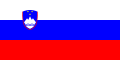
 Member state · EU since 2004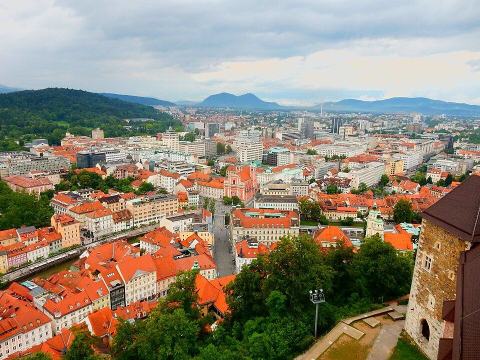
The story
Slovenes lived under Habsburg rule for six centuries, keeping their language alive through poets (the national anthem is a drinking toast by Prešeren, raising a glass to all nations' freedom). Yugoslavia followed the World Wars; in 1991 Slovenia exited with a mercifully short ten-day war and became the first ex-Yugoslav state in the EU (2004) and the eurozone (2007).
The people
Half the country is forest and Slovenes act accordingly: hiking is near-mandatory (climbing Triglav, the highest peak, is a rite of citizenship), beekeeping is a national art (painted hive panels are folk treasure), and every family seems to produce its own honey, wine, or schnapps. The society is tidy, outdoorsy, and quietly among Europe's most egalitarian.
The economy
A diversified small economy: pharmaceuticals (Krka, Novartis's Lek), household appliances (Gorenje), and automotive components, plus tourism pitched deliberately green. Slovenia consistently ranks among the world's most sustainable countries, and Ljubljana was Europe's Green Capital.
Traveling there
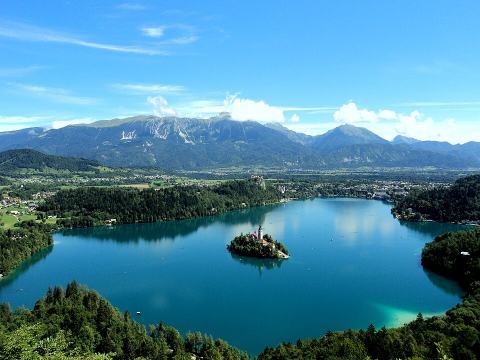
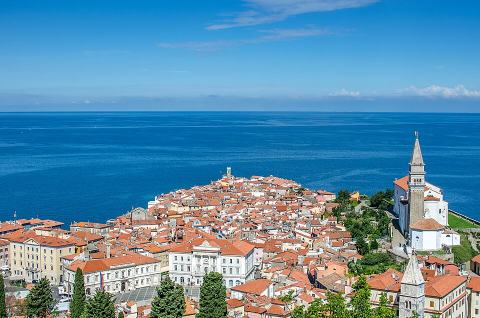
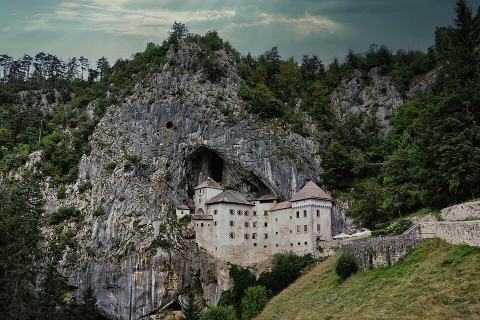
Ljubljana's riverside charm, Lake Bled's island church, and Lake Bohinj's quieter mirror fill long weekends; add the Soča river's impossible turquoise, Postojna's caves, and Piran on the tiny coast, Venice in miniature. Everything is under two hours from everything.
Cities to visit
Beyond the cities
An alpine lake with an island church, a clifftop castle, and a cream cake tradition. Slovenia's postcard, an hour from the capital.
~1h by bus from Ljubljana. Row to the island, walk the 6km lake loop, and order kremšnita at a lakeside café.