 Member state · EU since 2013
The story
Croats settled the eastern Adriatic in the 7th century; their medieval kingdom later spent eight centuries yoked to Hungary and Austria while Venice ruled the coast and Ragusa (Dubrovnik) ran its own merchant republic. Yugoslavia followed the World Wars; independence came in 1991 at the cost of a four-year war whose scars have healed into memorials. EU membership in 2013 and the euro plus Schengen in 2023 completed a remarkable three-decade arc.
The people
Croatians live facing the sea: a thousand islands, a sailing tradition, and fierce regional pride between Dalmatia, Istria, and the continental north. The necktie is a national point of honour (cravate derives from Croat), as are inventions from the mechanical pencil to the parachute, and a national football team that outperforms countries twenty times the size.
The economy
Tourism approaches a fifth of GDP, among the highest shares in the EU: twenty million visitors a year to four million residents. Shipbuilding, pharmaceuticals, and IT (Rimac's electric hypercars) diversify the base. The coast's popularity keeps prices climbing, though inland Croatia remains excellent value.
Traveling there
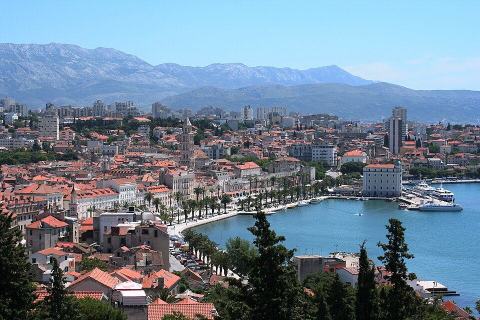
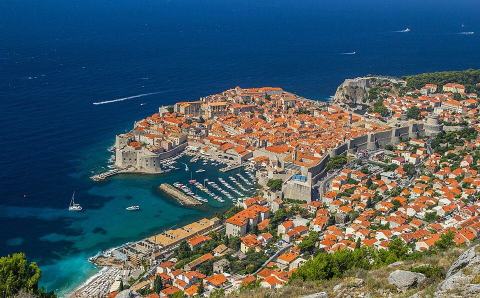
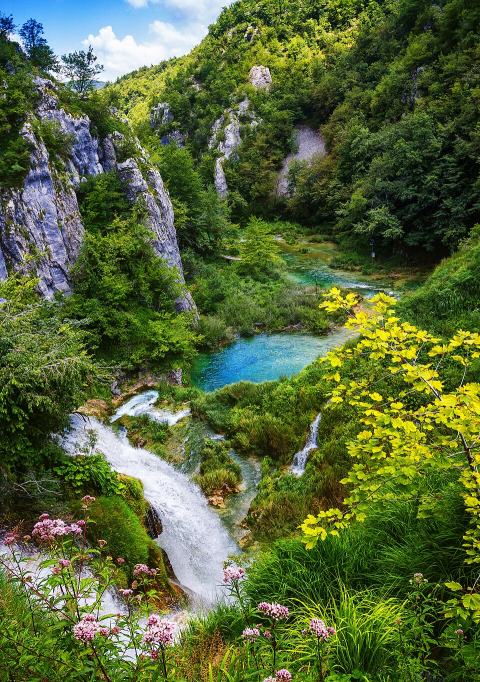
Dubrovnik and Split anchor the south, Istria's hill towns and truffle country the north, with Plitvice's waterfalls between them. Sail if you can: the island chains are Europe's best cruising grounds. Book the coast early for July and August or come in glorious September.
Cities to visit
Beyond the cities
Sixteen terraced lakes spilling into each other through waterfalls, threaded by wooden walkways, a UNESCO wonder in every shade of turquoise.
~2h from Zagreb by bus. Buy timed tickets online (they sell out in summer); Entrance 1 gives the classic canyon view.