 Member state · EU since 1986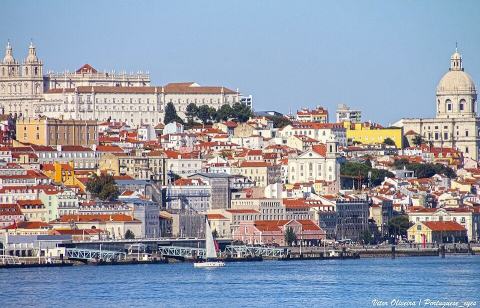
The story
Portugal has held the same borders since 1249, Europe's oldest, and in the 15th century this small Atlantic nation simply left, mapping Africa, India, Brazil, and Japan and knitting the first global empire. The 1755 earthquake and a slow imperial decline followed; the 20th century brought Salazar's long dictatorship, ended not with blood but with carnations in rifle barrels in 1974. EU accession in 1986 opened the modern chapter.
The people
Saudade, an untranslatable longing, is the national emotion, sung nightly as fado. Portuguese hospitality is quieter than the Spanish version and just as complete; the language's global family (Brazil, Angola, Mozambique) makes it the world's sixth most spoken. Lunch is sacred, football is scripture, and the pastel de nata is diplomacy in pastry form.
The economy
Cork (half the world supply), wine (port, vinho verde, and increasingly everything else), textiles, and footwear anchor tradition; a booming tech and tourism scene, plus Web Summit in Lisbon, anchors the present. Once the EU's poorest member at accession, Portugal now out-attracts most of Europe for quality of life migration.
Traveling there
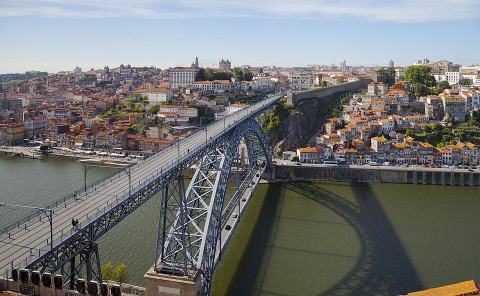
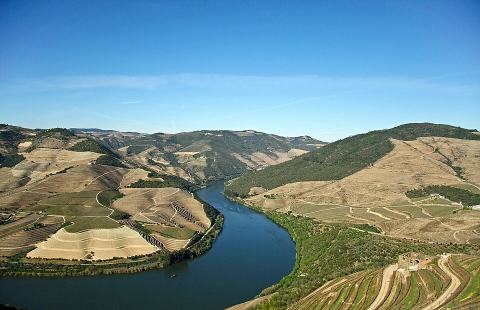
Lisbon and Porto book-end the country; between and beyond lie Sintra's palaces, the Douro's terraced vineyards, Alentejo's cork plains and star-black skies, and the Algarve's golden coves. The Azores and Madeira add mid-Atlantic drama. Small distances, huge variety.
Cities to visit
Beyond the cities
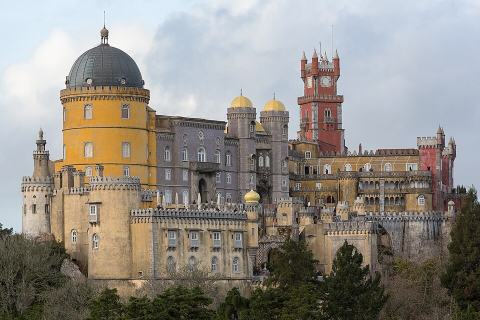
A hilltop fantasy of candy-colored palaces, mossy castles, and gardens lost in Atlantic mist, Byron called it a 'glorious Eden'.
40 min by train from Lisbon's Rossio station. Book Pena Palace timed entry; wear walking shoes and start before 10am to beat the tour buses.
What's on
Grilled sardines, paper lanterns, and dancing in every Alfama alley.