 Member state · EU since 1952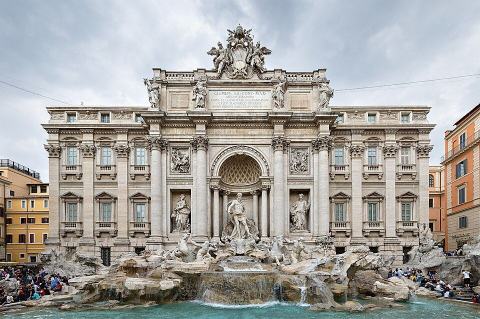
The story
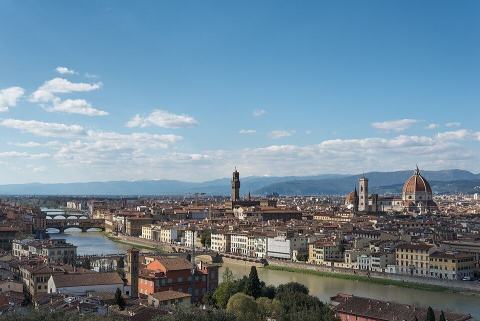
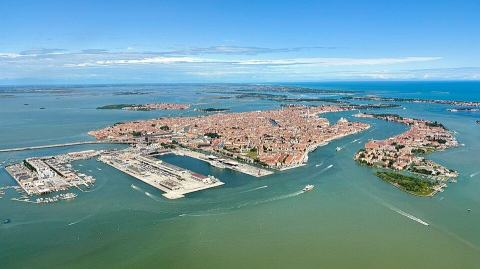
Rome ran the western world for five centuries, then Italy spent 1,400 years as a brilliant argument of city states: Venice's merchant empire, Florence's Renaissance, papal Rome. Unification came only in 1861 (Garibaldi conquered the south with a thousand volunteers). The post-war republic produced an economic miracle, sixty-odd governments, and a place at the EU's founding table.
The people
Italy's real capital is the family table. Regional identity comes first (a Sicilian and a Milanese share a country but not a cuisine), campanilismo (loyalty to your bell tower) is the organising principle, and la bella figura, the art of doing everything with style, governs dress, coffee (never cappuccino after noon), and conversation.
The economy
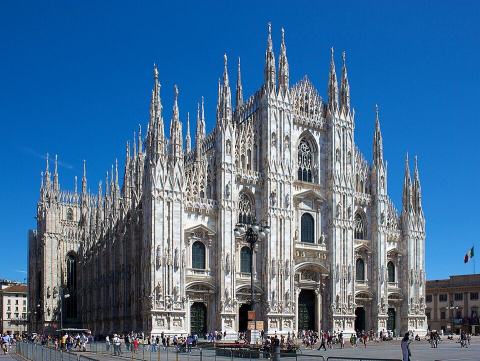
The EU's third economy leads the world in luxury manufacturing: fashion (Milan), supercars (Ferrari, Lamborghini), yachts, and food exports from Parmigiano to Prosecco. The industrial north ranks with Germany; the south lags, a gap 160 years of policy has not closed. Tourism, with the world's largest UNESCO haul (60 sites), is a pillar.
Traveling there
Rome, Florence, and Venice form the grand tour spine, but the second Italy is the secret: Bologna's food, Sicily's temples, Puglia's trulli, the Dolomites' peaks. High speed rail links the spine; everywhere, eat where the menu is handwritten and short.
Cities to visit
Beyond the cities
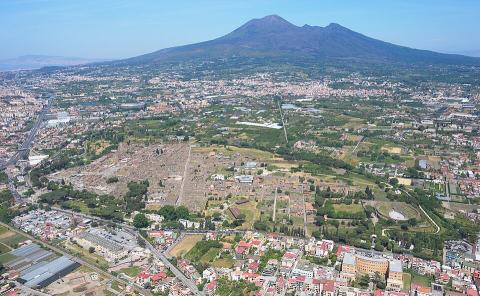
A Roman city frozen mid-breath by Vesuvius in 79 AD, streets, frescoes, bakeries, amphitheatre and all. The most complete window into ancient daily life anywhere on earth.
~40 min from Naples on the Circumvesuviana train (Pompei Scavi stop). Book timed tickets online, wear real shoes, bring water, there's little shade.
What's on
Masks, capes, and candlelit palazzo balls, two weeks of baroque theatre before Lent.
A week of international jazz in Palladian palaces, piazzas, and the Teatro Olimpico, one of Italy's most atmospheric festival settings.
Tuscany's bareback horse race around a medieval square, twice each summer.
Vicenza parades its 'Rua', a towering wooden pinnacle carried through the centre, in a civic procession dating back to 1444, around the September feast of the Madonna di Monte Berico.
Greek tragedy and classical drama performed inside Palladio's Teatro Olimpico, the world's oldest indoor theatre, on the same trompe-l'oeil stage set built in 1585. Seats are few; book early.